Natural Bedroom Ideas: How to Add Warmth With Wood, Linen and Texture
September 2, 2026
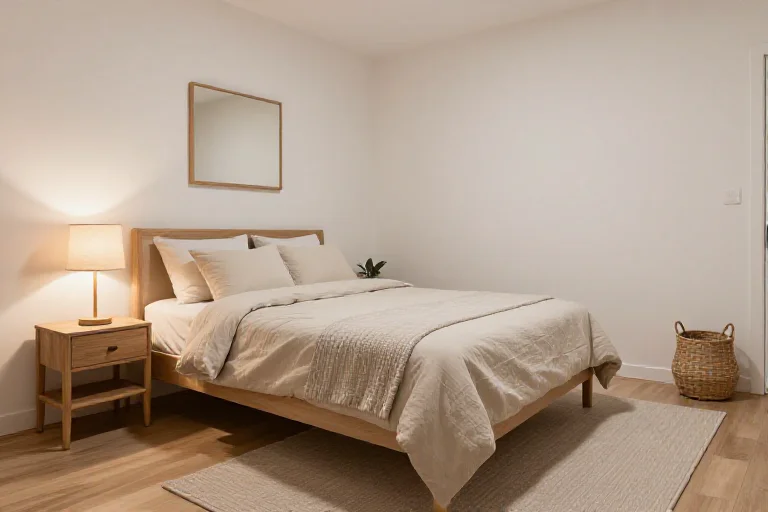
A natural bedroom is not simply a room filled with plants and wood.
The most convincing natural bedrooms usually feel quieter than that.
They combine natural materials, earthy colors, soft textures, and restrained styling to create a bedroom that feels grounded without looking themed.
The key is not adding more “natural” objects.
It is choosing materials that feel natural together.
Start with wood
Wood is one of the easiest ways to add warmth to a bedroom.
A wood bed frame, nightstand, bench, dresser, or small stool can introduce visual warmth without requiring a complete design change.
You do not need every piece of furniture to match.
In fact, a room can feel more natural when different wood tones are allowed to coexist.
The important part is keeping the overall palette compatible.
Add linen for softness
Linen works particularly well in natural bedrooms because it has visible texture.
Compared with perfectly smooth fabrics, linen tends to look slightly more relaxed and lived-in.
Try:
- Linen duvet covers
- Linen pillowcases
- Linen curtains
- Textured bedding
- Lightweight throws
You do not have to use linen everywhere.
One or two pieces can be enough. If you’re mixing linen with other textiles, it helps to coordinate bedroom bedding, curtains, and rugs rather than treat each one separately.
Use earthy neutrals
A natural bedroom does not need to be brown.
Think broadly about nature-inspired color:
- Sand
- Cream
- Oatmeal
- Clay
- Terracotta
- Olive
- Mushroom
- Warm beige
- Soft brown
A simple palette of two or three related tones usually feels more sophisticated than trying to introduce every earthy color at once.
Current interior-design coverage continues to highlight earthy neutrals, natural materials, wood, woven textures, and organic finishes as ways to make bedrooms feel warmer and more layered.
Add one woven texture
Woven materials are useful because they add texture without strong visual patterns.
Consider:
- Jute rugs
- Woven baskets
- Rattan furniture
- Cane details
- Woven lampshades
Use them as accents.
Too much of one material can quickly turn a calm natural bedroom into a themed room.
Bring in greenery carefully
Plants can make a bedroom feel more connected to nature, but you do not need a jungle.
One larger plant can have more visual impact than ten tiny plants scattered around the room.
The same principle applies to natural decorative objects.
Choose a few things with presence rather than many small objects.
Natural does not mean rustic
This is important.
A natural bedroom can still be modern.
For example:
Clean-lined wood bed
Cream linen bedding
Simple ceramic lamp
Soft neutral rug
One large plant
Minimal artwork
The materials feel organic, while the overall composition remains contemporary. A natural bedroom can still be modern—this approach to making a minimalist bedroom feel warm and personal is a good example.
Use lighting to complete the look
Natural materials become especially beautiful under soft, warm light.
Wood looks warmer.
Linen becomes more dimensional.
Woven surfaces create subtle shadows.
Ceramics become tactile instead of flat.
This is why natural bedroom design and warm bedroom lighting work so well together.
Materials do part of the work during the day.
Lighting takes over in the evening. For more on that balance, see this guide to bedroom lighting that feels warm instead of harsh.
A simple natural bedroom palette
Try this combination:
Base: warm cream
Secondary: oatmeal or beige
Material: natural oak
Accent: muted olive or clay
Texture: linen + woven fibers
You can then add one darker element for contrast, such as walnut furniture, a dark frame, or a deep brown accent.
Avoid the “everything is natural” trap
A natural bedroom can become visually predictable when every surface is beige, every piece is wood, and every accessory is woven.
Contrast makes the room feel more sophisticated.
Pair:
Soft + structured
Light + dark
Smooth + textured
Modern + handmade
This keeps the natural aesthetic from becoming repetitive. If the room still feels incomplete, the problem is usually not a lack of objects but a lack of contrast and relationship—this guide to why a bedroom still feels incomplete explains what to check first.
Frequently asked questions
What makes a bedroom look natural?
Natural materials such as wood, linen, cotton, wool, rattan, and woven fibers combined with earthy neutrals and restrained styling create a natural bedroom aesthetic.
What colors are best for a natural bedroom?
Warm whites, beige, sand, oatmeal, muted green, clay, terracotta, mushroom, and soft brown all work well.
Does a natural bedroom need plants?
No. Plants can reinforce the look, but the material palette is more important than having lots of greenery.
Can a natural bedroom be modern?
Yes. Clean-lined furniture and minimal decoration can be combined with wood, linen, and organic textures for a modern natural bedroom.
Build the scene
The Natural Bedroom scene is about using a quieter material palette to make the room feel warmer.
Wood adds structure.
Linen adds softness.
Woven textures add depth.
Earthy colors bring the palette together.
None of those elements needs to dominate.
Together, they create a room that feels naturally comfortable.
Explore the Natural Bedroom scene →
See it put together
Natural Bedroom
A warm bedroom layered with natural materials, earthy neutrals, and quiet organic textures.
Explore this scene →